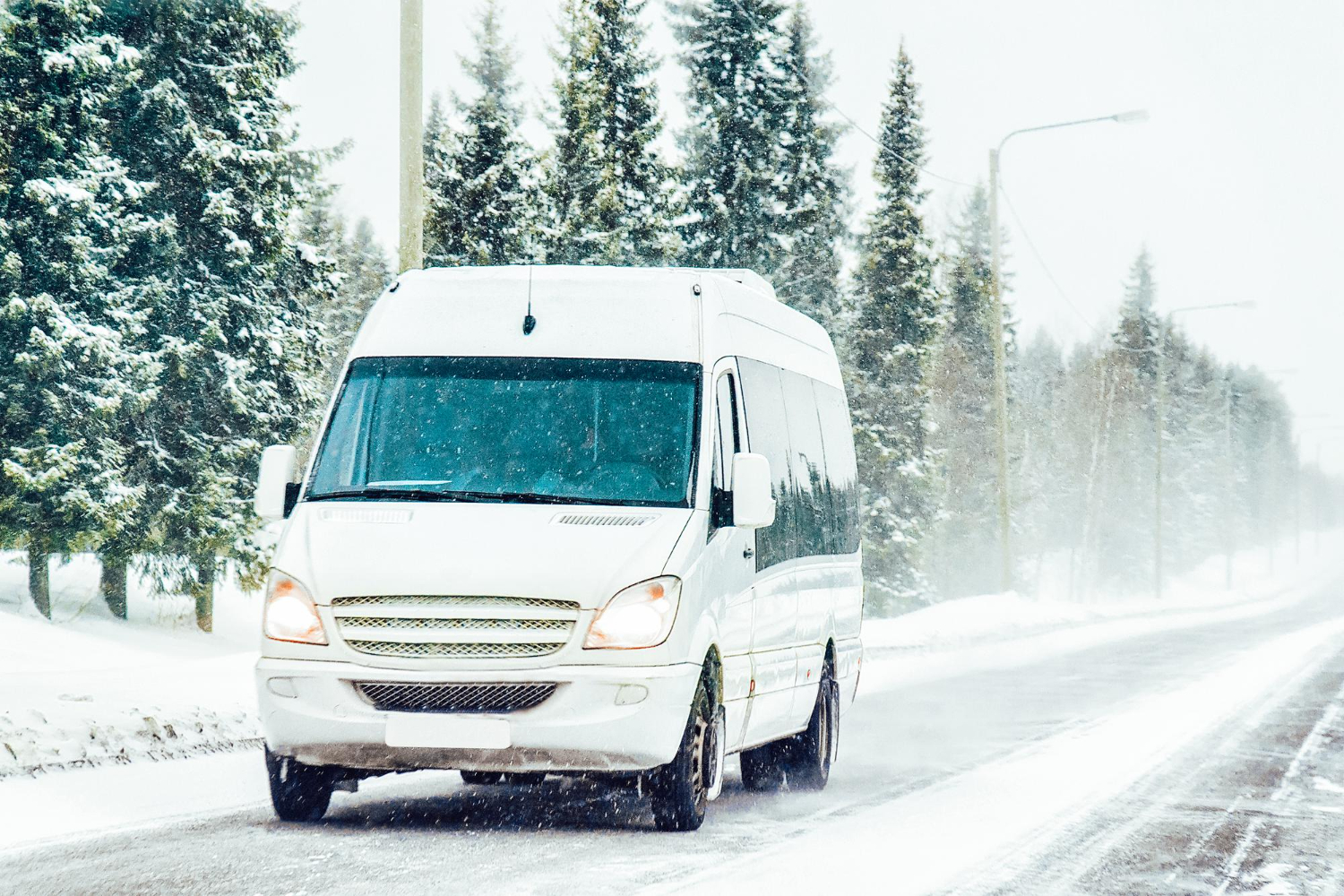
When winter hits, the last thing most van owners think about is the condition of their roof rack. It’s up there, doing its job, and often gets ignored until a problem crops up. But when you’re out working in freezing temps, the last thing you want is a frozen clamp, a rusted bar, or worse, damage to the van itself because of roof rack issues that could’ve been prevented.
Roof racks face some tough conditions every winter. Between road salt, sleet, and freezing rain, there’s a lot working against them. Knowing what kind of problems to watch for, and how to get ahead of them, can save a fair bit of hassle later. It’ll also keep your gear safe and secure, no matter how bad the weather gets.
Van roof racks are built to carry weight, hold tough against movement, and secure loads across many road conditions. But cold weather introduces a different set of challenges. In the UK, winter brings long stretches of damp, below-zero temperatures, and lots of salt being thrown onto roads. These aren’t gentle on any metal object, especially one exposed on top of your van.
The mix of freezing rain and fluctuating cold can cause water to get into joints and fittings. Once frozen, that moisture expands and puts pressure on screws, brackets, and fasteners. This weakens their grip and may even bend parts over time. Ice also builds up along the racks, preventing proper use until it’s defrosted and scraped away, often while you’re in a rush on a cold morning.
Snow and slush can be just as bad. Not only does the added weight put stress on the rack, but it also hides damage. A split weld or a corroding bracket can go unseen under a layer of snow until it’s serious. And with water sitting in place, oxidation starts forming in no time.
Then there’s salt from the roads. As vehicles splash it upwards or spray from tyres, salty residue collects on everything below and above the van. Leave it sitting too long, and corrosion is a guarantee. For roof racks made of lower-grade metals or already showing wear, this can shorten their life drastically.
These issues might not stand out much at first. You may just notice a rattle when you drive or see a small rust patch along a bolt. But left unresolved, they can develop into major damage, affect load carrying, and even become dangerous over time.
Some problems pop up more often once the cold arrives. Keeping an eye out for the common ones can help catch issues before they lead to parts failing. Here’s a breakdown of what typically goes wrong with roof racks during winter:
One tradesman shared how his clamps froze shut halfway through a job in January. He ended up having to warm them using a portable heater just to unwrap a secured ladder. That small fix cost him an hour of work and made him far more cautious the next time snow hit.
Spotting these issues early or checking racks regularly during colder months can make a real difference. Paying attention to how ice forms and noting any fittings that no longer sit quite right are simple ways to catch problems just as they start.
Now that you know what problems might creep up in the winter, it’s smart to think about how you can prevent them. Keeping your roof rack in good shape doesn’t have to be a drag. Regular maintenance and some simple steps will do wonders.
First, regularly clean your roof rack. It’s amazing how much dirt can hide in the nooks and crannies, especially when combined with road salt and grime from winter roads. A quick wash every few weeks helps keep dirt and salt from sticking around. Just a bucket of warm soapy water will do. Make sure to rinse thoroughly to get rid of all the salt.
Secondly, take the time to apply a protective coating or treatment to your roof rack. These coatings are like armour for your rack, helping to shield it against rust and corrosion. It’s a small investment that’s well worth it, keeping your roof rack looking and working like new.
Lastly, always check for loose fittings or signs of wear and tear. As temperatures drop, fittings can become loose. Give these a once-over every couple of weeks. Tightening a bolt here and there can prevent future headaches. Also, look out for any rust patches or unusual wear.
Taking a few minutes for these precautions means less worry about unexpected hiccups when the weather is less than friendly.
Choosing the right roof rack can make a huge difference, especially in winter conditions. But with loads of options out there, where do you start?
Look for features that make a rack winter-friendly. Consider whether the rack offers good drainage and if it’s low-maintenance. This means there are fewer spots where water and salt might collect and less upkeep for you.
Materials matter too. Opt for high-quality metals that are treated to resist rust. Stainless steel and aluminium are solid choices. They’ll handle wet weather much better than cheap steel.
There are specific racks made for challenging weather which offer extra durability. They’re made to carry weight no matter how heavy the snow and are often pre-treated to fend off rust. Having a rack that’s been designed with winter in mind takes the stress out of the colder months.
Experienced drivers know that being prepared for winter is key to a hassle-free season. Putting some measures in place ahead of time makes handling rough conditions easier and safer. Besides getting the right roof rack, there are several steps you can take to get your van ready for whatever weather comes its way.
A bit of forward planning ensures your van can tackle winter challenges confidently, helping you avoid surprises when you’re out on the road.
As the cold months unfold, protecting your van and the trusty roof rack atop it becomes part of running smoothly day to day. Simply carrying out regular maintenance can extend the life of your roof rack, save you from annoying problems, and keep your vehicle looking its best.
A little effort upfront can prevent larger issues and costs down the line. Investing a bit of time in cleaning, inspecting, and choosing the right equipment pays off. Winter can be unpredictable, but with the right preparation, you can make sure your van is ready and performs well whatever weather rolls in.
Preparing your van for harsh weather doesn’t have to be a chore. At Demar Van Products, we understand the importance of selecting the right equipment to endure the winter months. If you’re considering ways to boost your van’s efficiency and safety during this season, find out how you can buy racking for a Berlingo through us. Finding the ideal rack solution will ensure that you’re well-equipped to tackle winter’s toughest challenges with peace of mind.