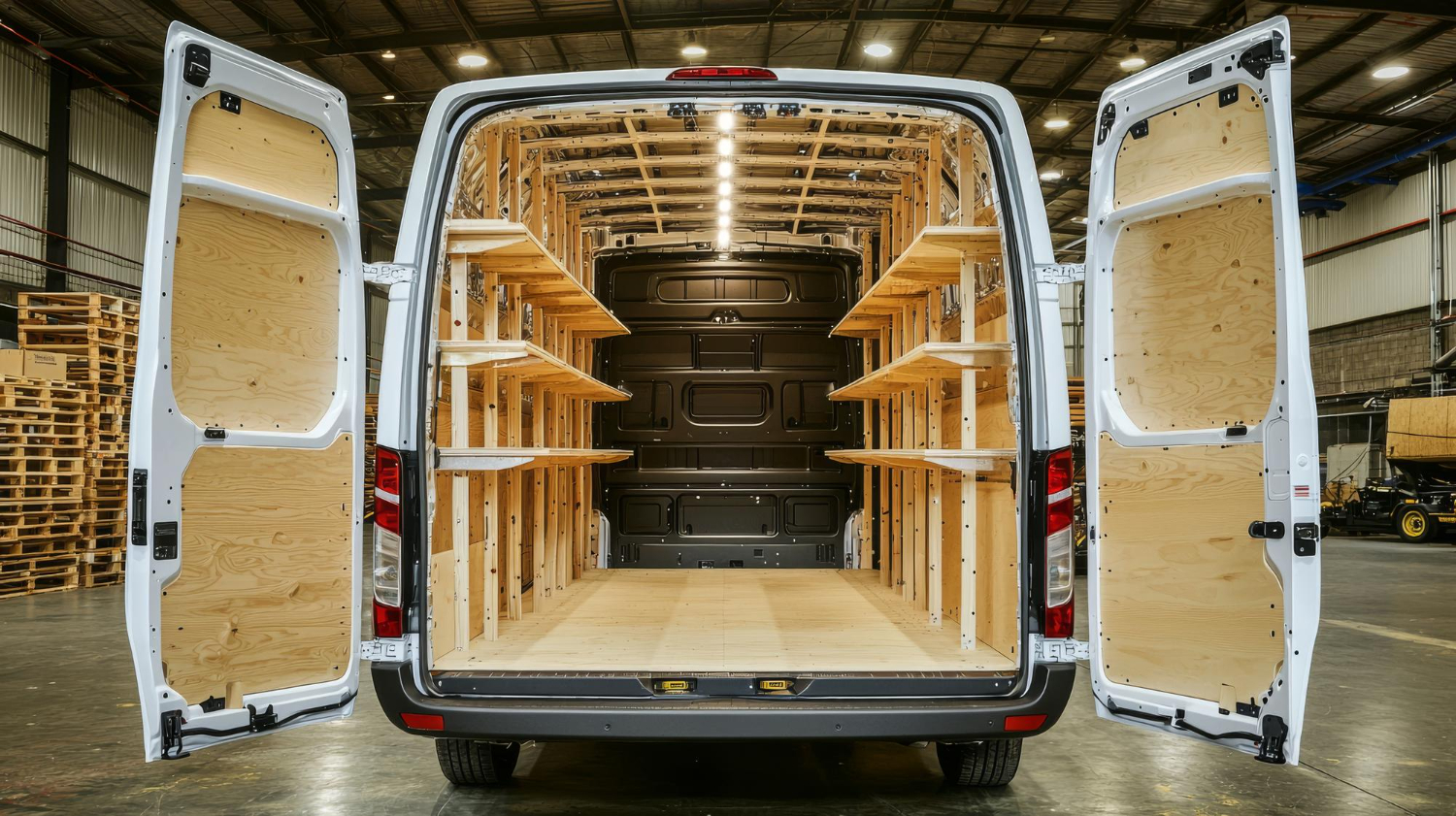
If you’re using plywood shelving for your Vivaro, you likely rely on it every day to keep your tools and gear organised. It helps save space, cuts down on locating items during busy jobs, and keeps things from sliding around when you’re on the move. But like anything that’s used daily, wear and tear build up over time. One moment it’s doing the job perfectly, and the next you’re dealing with a sagging shelf or worse — one that’s come apart completely.
Shelving breakdowns are more common than you might expect, especially when little issues go unnoticed for too long. Knowing what contributes to the decline of plywood shelving makes it easier to fix problems early or avoid them altogether. From water damage to overloading and rough handling, there are a few things worth keeping an eye on to keep your Vivaro workspace running reliably day in, day out.
Moisture doesn’t have to come from heavy leaks to cause problems. Even regular exposure to damp air, soggy ground when parked, or wet items being placed on the shelves can start to break down plywood over time. Plywood has layers, and once water seeps between them, it can cause the glue to weaken and the layers to bubble or come apart. That’s when you start to see signs like warping, swelling, or soft patches.
If you’ve ever noticed your shelf edges darken or curl, or your tools rolling to the centre because the shelf has a dip in it, moisture could be playing a part. And once moisture gets in, mould and rot can follow, especially if it’s left unchecked in cold or humid van conditions.
To help keep the problem at bay:
These small steps can make a difference in how long your shelving holds up. The more you can keep it dry, the longer it stays solid.
It’s tempting to pack your shelves full — after all, that’s what they’re there for. But stuffing too much weight onto plywood shelves can stress them beyond what they were meant to take. One bulky item might not be a problem, but several heavy pieces stacked together can cause sagging or cracks. Over time, joints may loosen as the glue and screws are put under more strain than they were designed for.
Here’s how to keep things balanced:
Think of it like putting groceries in the boot of a car. You’d spread them out instead of letting everything lean to one side. Doing the same with your tools and supplies will help your shelves stay level and strong. It’ll also make finding what you need a lot easier when you’re in a rush on site.
Plywood shelving is durable, but it can still suffer from physical blows. Mishandling or dropping tools can dent or crack the wood. Whether it’s an everyday knock or a larger bump during loading and unloading, these impacts add up. They create weak spots, where the risk of a shelf failing increases over time. You don’t want to reach into your van one day and find your gear scattered on the floor.
Avoiding such damage takes a bit of care and some simple tactics. Start by reinforcing your shelving edges. Adding metal guards can help absorb shocks, keeping the plywood safe. Padded mats or liners on the shelves can cushion heavier tools, reducing the chance of dinks and dents. Another tip is to secure your items firmly. Use bungee cords or straps to hold tools in place so they don’t slide and cause damage when the van is in motion.
Another reason shelving breaks down is poor quality materials. Plywood varies greatly in its durability, and opting for a cheaper version might save money initially, but could lead to problems later. Lower-grade plywood often can’t withstand regular wear in a van setting, leading to quicker deterioration.
When setting up shelving for a Vivaro, consider choosing the best materials. High-quality plywood offers better resistance to damage and holds up better against moisture and weight challenges. Look for options that have more plies or layers. The extra density helps your shelves support more over time.
Choosing the right plywood means looking beyond just the price tag. Think about where and how you’ll use your shelves. It’s a bit like planting trees. Cheap seeds might grow fast, but good seeds last for years, weathering storms and changes far better.
Keeping plywood shelving in good shape doesn’t require heaps of effort, but consistent care is key. Regular inspections allow you to catch issues before they grow. Check for signs of moisture or stress often. A quick wipe down can keep water and dirt from setting in, which can extend the life of your shelving significantly.
Include these easy maintenance tasks in your routine:
These small steps help your investment last. Maintenance isn’t just about dealing with problems. It’s about giving you peace of mind that everything is where it should be when you pull open those van doors.
Understanding what causes plywood shelving to break down helps prevent these issues from cropping up. Keep moisture, weight, and impacts in check, and choose good materials from the get-go. Your Vivaro’s shelves are not just holding your stuff. They’re supporting your workdays and plans. Durable and reliable shelving means fewer headaches and a smoother ride, every day.
Explore smart solutions for van shelving to get the best from your Vivaro. Thoughtfully chosen and well-maintained, your plywood shelves will stand strong, letting you focus on the work at hand without any extra fuss.
To keep your van organised and ready for the job ahead, take a look at our durable range of shelving for a Vivaro. Demar Van Products builds practical solutions that stand up to daily use and help make your workday smoother.